KPV
Matrix and Epithelial
£42.00per vial
Awaiting batch
This vial is sealed for the protection of health and hygiene. Under regulation 28(1)(e) of the Consumer Contracts (Information, Cancellation and Additional Charges) Regulations 2013, the 14-day right to cancel is lost for this item once that seal is broken. While the seal is intact the right applies in full.
KPV cannot be listed to research users in Australia, Canada, Japan, Mexico, New Zealand, Norway, Russian Federation, Saudi Arabia, Singapore, South Korea, Switzerland, United Arab Emirates. Verify local eligibility before ordering.
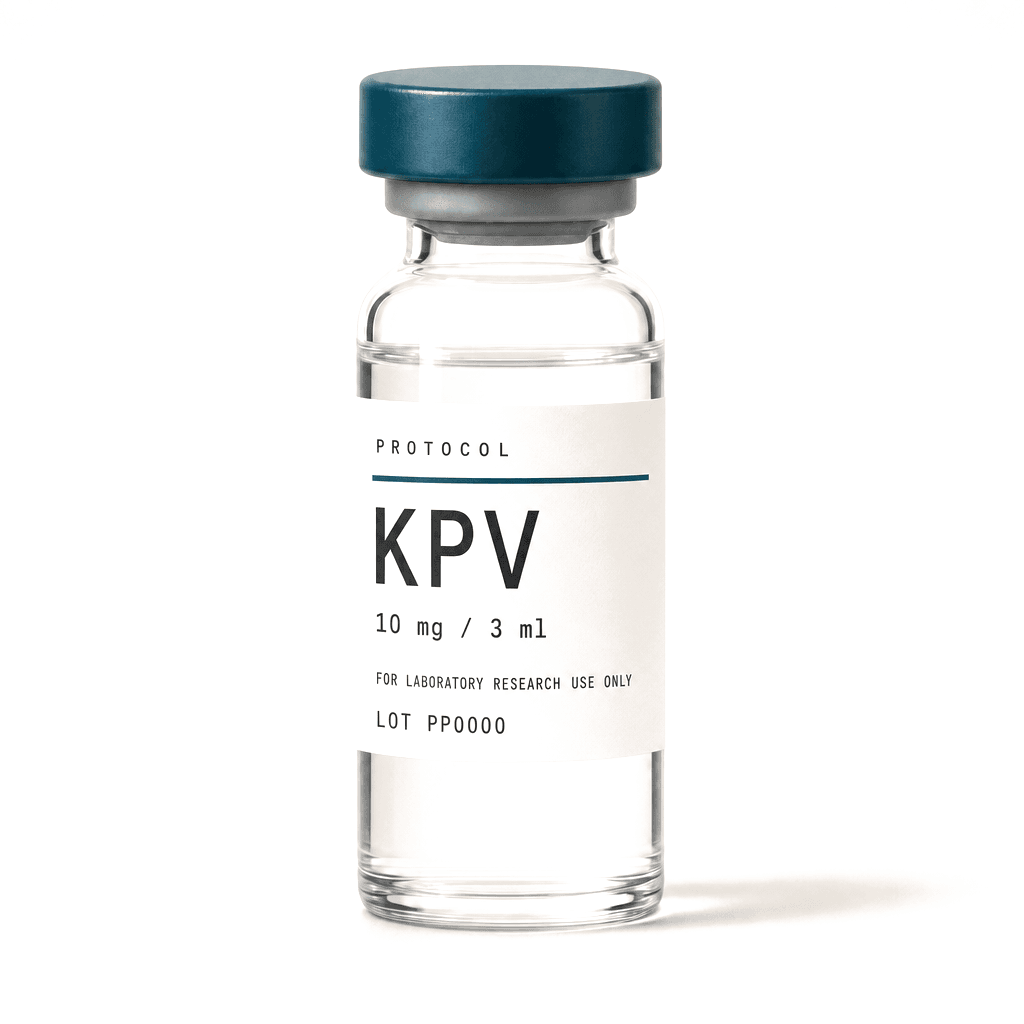
KPV is a synthetic tripeptide, Lys-Pro-Val, corresponding to the C-terminal 11-13 fragment of alpha-melanocyte-stimulating hormone. It is catalogued for inflammatory signalling and epithelial barrier research. Unlike the parent hormone, its activity in published models does not depend on melanocortin receptor binding, which is the property that makes it a useful probe.
Also known as Lys-Pro-Val, alpha-MSH(11-13).
For laboratory research only. Not for human consumption. No medical claims. This product is not intended to diagnose, treat, cure, or prevent any disease.
- UK DISPATCH
- TRACKED SHIPPING
- COA ON RELEASE
- SECURE PAYMENT
Compound details
KPV is a synthetic tripeptide, Lys-Pro-Val, corresponding to the C-terminal 11-13 fragment of alpha-melanocyte-stimulating hormone. It is catalogued for inflammatory signalling and epithelial barrier research. Unlike the parent hormone, its activity in published models does not depend on melanocortin receptor binding, which is the property that makes it a useful probe.
KPV is the three-residue C-terminal tail of alpha-melanocyte-stimulating hormone: lysine, proline, valine. It is one of the smallest compounds in the catalogue, and its size is central to why it is studied. The anti-inflammatory activity reported for the full alpha-MSH molecule is largely retained by this fragment, while the pigmentary and endocrine activity of the parent is not, giving researchers a way to isolate one arm of the parent hormone's signalling.
- Molecular weight
- 342.4 g/mol
- Sequence
- KPV
- Presentation
- Sealed 3ml vial
Molecular weight source: PubChem CID 125672 (alpha-MSH 11-13). View the PubChem record
KPV is the three-residue C-terminal tail of alpha-melanocyte-stimulating hormone: lysine, proline, valine. It is one of the smallest compounds in the catalogue, and its size is central to why it is studied. The anti-inflammatory activity reported for the full alpha-MSH molecule is largely retained by this fragment, while the pigmentary and endocrine activity of the parent is not, giving researchers a way to isolate one arm of the parent hormone's signalling.
The mechanism in the published literature is intracellular rather than receptor-mediated. Studies report uptake into epithelial and immune cells through the oligopeptide transporters PepT1 and PepT2, followed by interference with nuclear factor kappa-B pathway activation. The consequence measured in these models is reduced transcription of pro-inflammatory cytokines, and the experimental question is usually where in the cascade the interruption occurs rather than whether a receptor is occupied.
Preclinical work concentrates on epithelial barrier models: colonic epithelium in colitis models, keratinocyte and dermal models, and macrophage-associated regulatory pathways. Tight-junction protein expression and cytokine transcript measurement are the recurring readouts. Its transporter-mediated uptake also makes it a subject in oral and topical delivery research, where the question is bioavailability of short peptides rather than the signalling itself. No therapeutic, diagnostic, or clinical conclusion is drawn from any study referenced above, and none should be inferred.
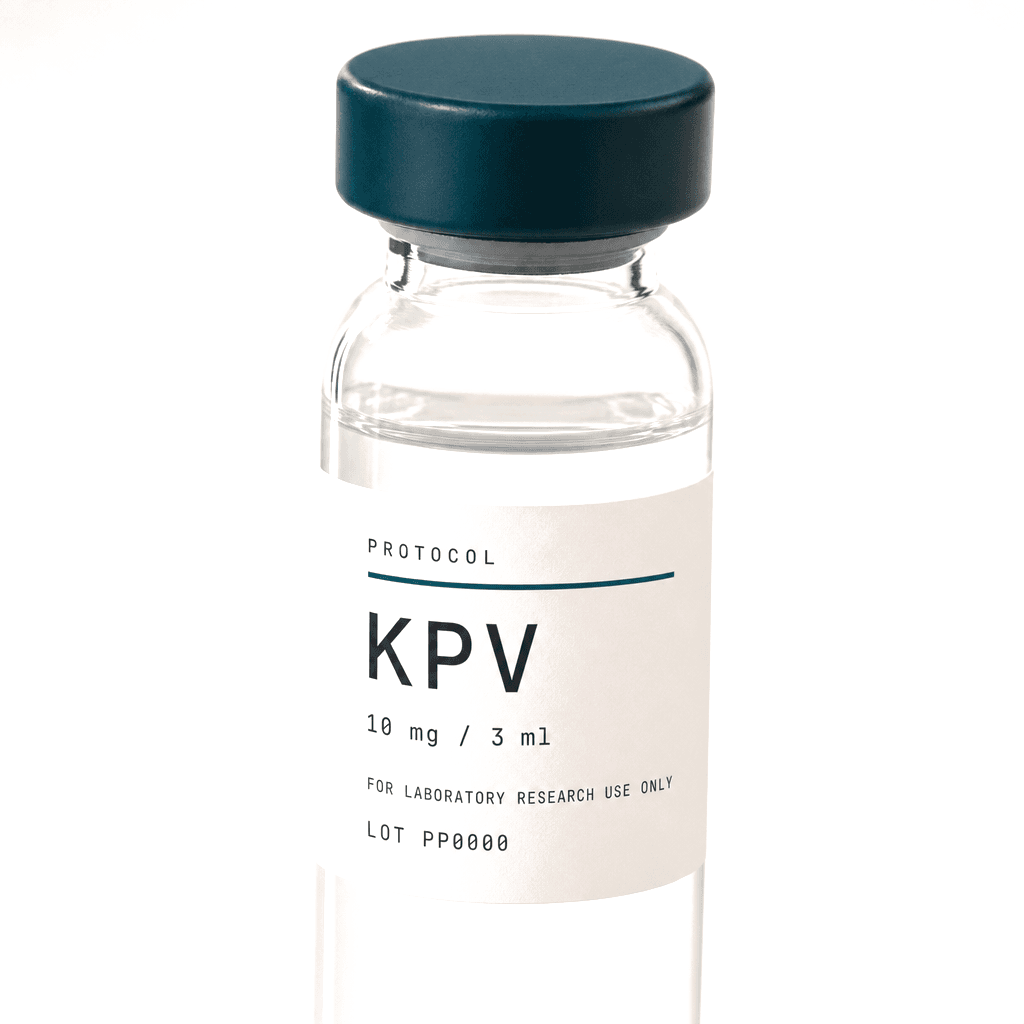
KPV is listed in a sealed 3ml vial, at 10mg.
When a batch is released, it is independently analysed before it is listed. Purity is measured by high-performance liquid chromatography. Identity is confirmed by mass spectrometry, which is the harder half of the problem for a tripeptide: a three-residue sequence gives chromatography little to work with, and mass spectrometry is what establishes that the molecule analysed is Lys-Pro-Val and not a same-mass permutation or a synthesis by-product. Those are the two analytical methods used, and no other method is claimed.
When a batch is released, the batch number on the vial resolves to the public Certificate of Analysis for its batch, reporting the compound, the lot reference, the HPLC result, the mass-spectrometry result, the analysis date. The document is published before the batch enters the catalogue. Specimen documents on this site are for demonstration only.
When a batch is released, it is independently analysed by HPLC and mass spectrometry before it is listed, and the Certificate of Analysis for that batch is published in full, including the measured purity figure for that batch.
KPV
KP5613Specimen record. Not a genuine laboratory report.
| PARAMETER | METHOD | RESULT |
|---|---|---|
| Purity | HPLC | 98.2% |
| Identity | Mass spectrometry | Consistent with expected mass |
HPLC
Purity by chromatography
ON RELEASE
MASS SPECTROMETRY
Identity confirmation
ON RELEASE
PUBLIC COA
Each released batch number resolves to its Certificate of Analysis
COMMITTED
Research Use Only
KPV is catalogued strictly for in-vitro laboratory research. It is not for human consumption, veterinary use, or therapeutic, diagnostic or clinical application. It is not supplied as a medicinal product and it is not licensed by the MHRA.
Not a Medical Product
None of the compounds listed on this site are medicinal products, nor should they be marketed, described or used as such. No medical claims are made about KPV. Nothing on this page is medical, veterinary or scientific advice, and no guidance on preparation, administration or quantity is provided or will be provided on request.
Compliance and Responsibility
The research user is responsible for ensuring compliance with all laws and regulations governing the receipt, handling, storage, use and disposal of research chemicals in their jurisdiction, and for applying appropriate control measures under the Control of Substances Hazardous to Health Regulations 2002 or the equivalent local regime.
Analytical Scope
When analytical results are published for KPV, they relate solely to the batch identified on the Certificate of Analysis. Two methods are used: high-performance liquid chromatography and mass spectrometry. No other analysis is performed or implied. Results for one batch do not warrant any other batch. Specimen documents are for demonstration only and are not genuine laboratory reports.
Jurisdiction Notice
KPV cannot be listed to research users in the following jurisdictions: Australia, Canada, Japan, Mexico, New Zealand, Norway, Russian Federation, Saudi Arabia, Singapore, South Korea, Switzerland, United Arab Emirates. It is the research user's responsibility to verify local eligibility before placing an order. Where an order is placed for a jurisdiction in which the compound cannot be listed, the order will be cancelled and refunded in full.
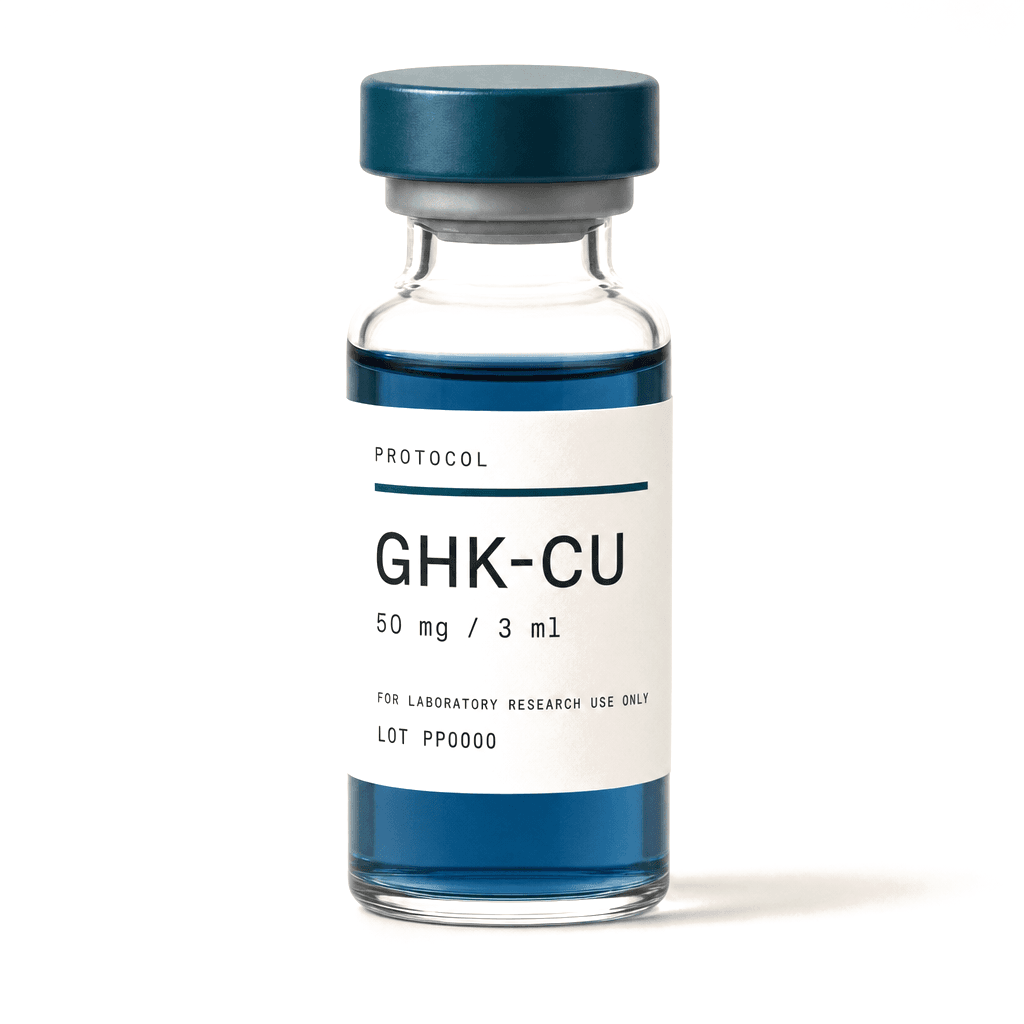
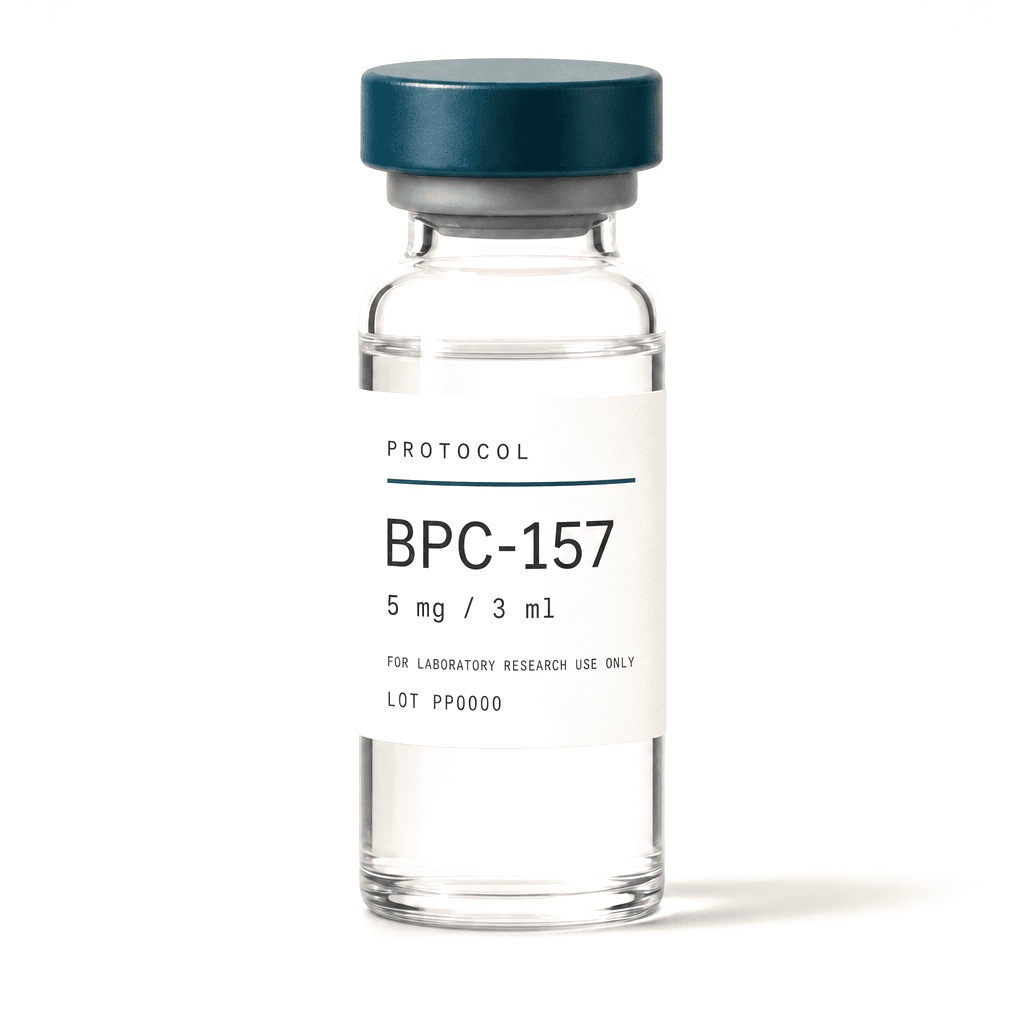
Every released batch has a document.
The Certificate of Analysis for a batch is published when that batch is released. Your batch number then resolves to the report. Specimen documents on this site are for demonstration only.
For laboratory research only. Not for human consumption. No medical claims.